Understanding Common Garage Door Noises
Garage doors can produce a variety of noises, each indicating different issues. Recognising these sounds is the first step in effective troubleshooting.
- Squeaking Garage Door: Often due to lack of lubrication on rollers, hinges, or springs causing friction and vibration sounds. Grinding Noise: Usually related to gears or opener motor malfunction, worn bearings, or damaged pulleys creating harsh mechanical grinding. Clanking Sounds: Result from loose screws, bolts, or worn rollers hitting tracks, producing intermittent clanking or rattling noises. Banging Noises: Can occur from misaligned tracks causing the door to hit its frame hard, or worn springs snapping under tension. Rattling and Whirring: Often associated with the opener’s chain or belt drive, especially when parts are loose or misaligned. Sticking Door Noises: May be due to obstruction in tracks, dirty rollers, or rusted hinges causing the door to move unevenly and noisily.
Recognising these sound patterns helps home and property owners narrow down the potential source of the noise and decide on appropriate repair or maintenance steps.
Key Garage Door Components That Cause Noise
Several components contribute to garage door noise. Understanding their function and common issues allows precise diagnosis and repair.
- Opener Motor Noise: Motor humming, grinding, or buzzing may indicate electrical issues, worn gears, or failing bearings. Springs Noise: Torsion or extension springs can creak, snap, or clang if under incorrect tension or worn out. Rollers Sound: Nylon rollers tend to be quieter; steel rollers generate more noise. Worn or rusty rollers cause squeaking or grinding sounds. Hinges Squeaking: Hinges connecting door panels often squeak when dry or corroded. Tracks Alignment: Misaligned or dirty tracks create uneven door movement and banging or rattling noises. Cables Tension: Loose or frayed cables can cause snapping or clanking noises and pose safety risks. Gears Grinding: Inside the opener mechanism, worn gears lead to grinding or whining noises. Pulleys Noise: Worn or dry pulleys produce squeaking or creaking, affecting smooth operation. Bearings Wear: Bearings in rollers and motor assemblies can fail, causing excessive noise and vibration. Chain vs Belt Drive Noise: Chain drives are louder with rattling and clanking; belt drives are typically quieter but can whir if misaligned or loose.
Other elements such as control panel buzz, limit switch clicks, or photo eye obstruction sounds can also impact the overall garage door noise environment.
Step-by-Step Garage Door Noise Troubleshooting Guide
Troubleshooting noisy garage doors involves careful inspection and testing. Follow these steps for a thorough diagnosis:
Inspect Springs: Check torsion and extension springs for rust, gaps, or broken coils. Incorrect spring tension often causes creaking or banging. Check Rollers: Visually inspect rollers for wear, rust, or dirt. Spin them manually to detect roughness or sticking sensations. Examine Tracks: Ensure tracks are clean, free of debris, and properly aligned. Look for dents or bends causing derailment or noise. Test Opener Motor: Listen closely to the opener’s motor during operation for unusual grinding or buzzing. Listen for Chain or Belt Noise: Note rattling, clanking, or whirring from the drive system indicating loose parts or lack of lubrication. Detect Loose Screws and Bolts: Tighten all hardware securing the door panels, hinges, and tracks to eliminate vibration-based noise. Manual Release Noise Inspection: Operate the manual release to check if it produces any abnormal sounds that could indicate mechanical binding. Safety During Troubleshooting: Always disconnect power before servicing the door to avoid injury and use protective gloves and eyewear. Obstruction Detection: Look for foreign objects or worn weather seals obstructing smooth door movements.Following this checklist not only helps identify the root cause of noise but also ensures safe handling and prevents further damage.
Our Sponsor
A1 Garage Doors Gold Coast
A1 Garage Doors Gold Coast is a Bundall-based garage door specialist serving the southern Gold Coast and surrounding suburbs with installation, repair, maintenance, and emergency garage door services. The company specializes in sectional doors, roller doors, garage door openers, spring and cable replacement, opener motor repair, smart-enabled installations, and 24/7 emergency call-outs across Robina, Burleigh Heads, Surfers Paradise, Nerang, Coomera, and the wider Gold Coast region.
Address:
1 Waterford Court,
Bundall,
QLD
4217,
Australia
Phone: (07) 5515 0277
Business Hours:
- Open 24/7 — Including After-Hours and Emergency Call-Outs
Follow Us:
Maintenance Tips to Prevent and Reduce Garage Door Noise
Regular upkeep is vital to minimise garage door noises and extend the lifespan of your system. Key maintenance actions include:
- Lubrication for Garage Door: Apply silicone-based or lithium grease lubricants to rollers, hinges, springs, cables, and pulleys every six months to reduce friction and squeaks. Tightening Screws and Bolts: Periodically check and secure all fasteners to stop rattling and clanking noises caused by vibrations. Cleaning Tracks and Rollers: Remove dirt, debris, and corrosion buildup from tracks and rollers to prevent sticking and grinding. Adjusting Spring Tension: Ensure springs have correct tension to avoid snapping or banging sounds. Consult a professional for tension adjustments as they carry risk. Aligning Tracks and Hinges: Realign misaligned tracks and hinges to ensure smooth and quiet door movement. Replacing Worn Parts: Promptly replace rusty rollers, frayed cables, or damaged weather seals to maintain quiet operation. Weather Seal Noise Reduction: Inspect and replace weather seals that cause rattling or flap noisily in wind. Corrosion Prevention: Protect metal components from rust by applying anti-corrosion sprays when needed. Wear and Damage Inspection: Regularly check all components for signs of wear, damage, or fatigue to catch problems early. Regular Garage Door Servicing: Schedule professional tune-ups annually for comprehensive noise reduction and safety checks.
When to Call a Professional for Garage Door Noise Issues
While many minor noise problems can be resolved through DIY efforts, some situations require expert intervention for safety and effectiveness:
- Garage Door Replacement: When noises indicate structural damage or severe wear beyond repair, professional replacement is required. Professional Adjustment: Complex spring tensioning, track realignment, or opener calibration should be handled by trained technicians. Serious Motor Faults: Persistent grinding or burning smells from the opener motor suggest internal failure needing specialist repair. Worn Out Springs: Broken or excessively stretched springs pose safety hazards and need urgent professional replacement. Damaged Cables: Frayed or snapped cables reduce door safety and must be repaired by experts. Complex Opener Repairs: Issues involving electronic controls, sensors, or circuit boards require qualified service. Safety Concerns: If you feel unsure about any repair or encounter resistance or unusual behaviour during troubleshooting, stop and seek professional help. Warranty Considerations: Unauthorised repairs may void warranties, so always check terms before performing significant fixes. Risk Factors with DIY Repairs: Garage doors are heavy and spring-loaded; improper handling can cause injury or damage.
Frequently Asked Questions about Garage Door Noise Troubleshooting
Why is my garage door making noise?
Noises often result from worn rollers, dry hinges, misaligned tracks, or issues with springs and the opener motor. Environmental factors like rust or debris can also cause friction and vibration sounds.
How to silence a noisy garage door?
Applying proper lubrication, tightening loose hardware, cleaning tracks, and replacing worn components significantly reduces noise. Regular maintenance and professional inspections further help.
Can I fix garage door noise myself?
Minor issues like lubricating, tightening screws, or cleaning are manageable DIY tasks. However, spring adjustments or motor repairs should be left to professionals due to safety risks.
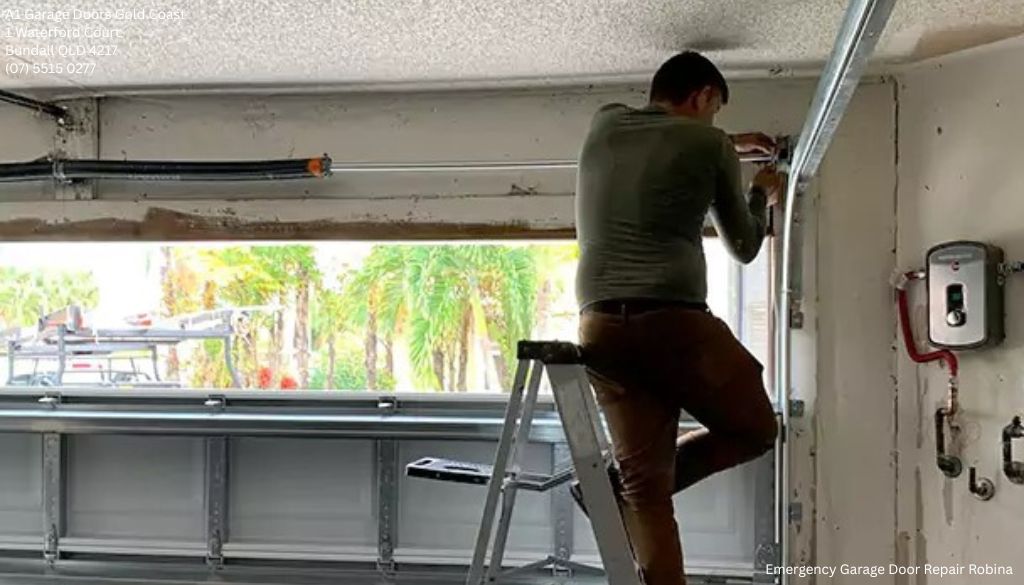
What causes banging noises in garage doors?
Banging usually indicates misaligned tracks, loose hardware, worn springs, or door panels hitting the frame. Prompt inspection and correction prevent further professional torsion spring replacement damage.
How often should I maintain my garage door?
It's recommended to inspect and lubricate moving parts every six months and schedule professional servicing at least once a year to keep noise and wear to a minimum.
What tools do I need for garage door noise troubleshooting?
Basic tools include a socket set, adjustable wrench, screwdriver, lubricant spray, level, and safety gear such as gloves and goggles. Specialized tools might be necessary for advanced repairs.
When should I stop DIY efforts and call a professional?
If you encounter spring damage, complex opener faults, cable issues, or feel unsafe managing the repair, it's garage door repairs surfers paradise best to contact a certified technician promptly.
In summary, understanding the types of noises your garage door makes and the components involved empowers you to diagnose and address many issues yourself. Consistent maintenance, timely repairs, and knowing when to seek professional service ensure your garage door operates quietly and safely for years to come. Don’t ignore persistent noises—act today to protect your investment and your peace of mind.